

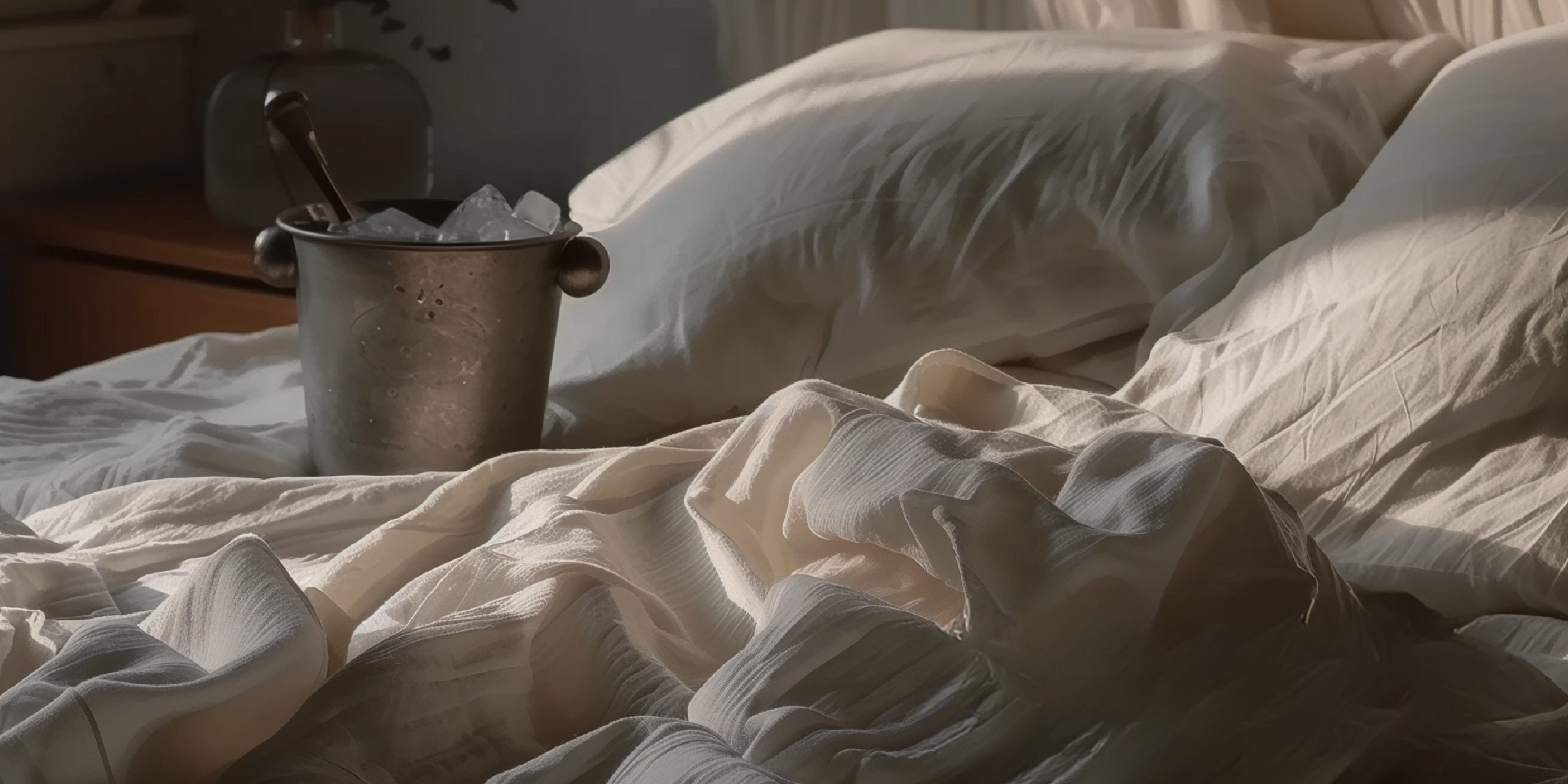
Sleep, Skin, and Stress: The Missing Link in Your Routine highlights one of the most important but often overlooked factors in skin health - the way sleep directly controls skin regeneration, inflammation, and visible ageing.
While skincare routines tend to focus on topical products, the most significant repair processes occur internally during sleep, when the body activates circadian-driven recovery systems.
This includes collagen production, cellular repair, inflammation reduction, and hydration regulation - all of which determine how the skin looks and behaves the next day.
Circadian rhythm and skin regeneration
The circadian rhythm is the body’s internal biological clock, regulating sleep, hormone release, and skin repair cycles.
At night, the skin enters a highly active regeneration phase where:
- Cell turnover increases
- Collagen and elastin production is stimulated
- Cortisol levels decrease
- Antioxidant defences strengthen
When this rhythm is disrupted by stress, irregular sleep, or blue light exposure, skin repair becomes less efficient, contributing to dullness, sensitivity, and premature ageing.
Traditional Chinese Medicine and sleep recovery
Traditional Chinese Medicine (TCM) views sleep as essential for restoring internal balance and energy flow (Qi).
In TCM theory, skin health reflects internal harmony:
- Stress disrupts energy flow and creates internal heat
- Emotional imbalance affects skin reactivity
- Poor sleep weakens restorative organ function
Modern neuroscience supports this, showing that chronic stress and poor sleep increase inflammatory markers in the body, directly affecting skin health and recovery.
Stress, sleep disruption, and inflammation in the skin
Chronic stress keeps the nervous system in a heightened state, increasing cortisol and systemic inflammation.
Over time, this can lead to:
- Breakouts and congestion
- Increased skin sensitivity
- Reduced repair and healing
- Breakdown of collagen structure
Sleep acts as the biological reset, reducing inflammation and restoring balance across both body and skin.
Sleep-supporting nutrients and nervous system balance
Targeted nutrients can support the transition into deeper sleep states by calming the nervous system and regulating circadian rhythm.
- Magnesium glycinate supports relaxation and muscle release
- Glycine helps lower core body temperature and supports deeper sleep cycles
- Low-dose melatonin acts as a circadian signal for sleep timing regulation
These are often used as part of a broader sleep hygiene and recovery approach.
The Sole to Soul Ritual: sleep as skin recovery practice

A consistent evening wind-down routine is essential for activating the body’s natural repair mechanisms.
The Sole to Soul Ritual is designed to support this transition by combining warmth, grounding, and nervous system regulation before sleep.
This ritual encourages the body to shift from a stressed, active state into a restorative sleep state by:
- Supporting circulation through warming foot rituals
- Encouraging nervous system down-regulation
- Helping reduce mental overstimulation before sleep
- Creating a consistent sensory signal for rest
From a TCM perspective, grounding the lower body and calming internal heat helps restore energetic balance, supporting deeper and more restorative sleep cycles.
In modern neuroscience terms, this type of ritual helps activate the parasympathetic nervous system - the “rest and repair” mode that directly supports skin regeneration overnight.
How sleep improves visible skin health
When sleep quality is optimised, skin improvements become clearly visible:
- Brighter, more even skin tone
- Reduced inflammation and redness
- Improved hydration balance
- Faster repair of environmental damage
- Stronger skin barrier function
Sleep remains one of the most powerful long-term tools for maintaining healthy, resilient skin.


