

The body's systems are closely interconnected, and the lymphatic system plays an important role in maintaining this balance. Working alongside the circulatory and immune systems, it helps regulate fluid levels in the tissues, transport substances back into the bloodstream and support the body's immune defences.
Its influence can also be seen externally. Changes in fluid balance can contribute to swelling and facial puffiness, affecting how the skin and underlying tissues appear.
Lymphatic drainage massage works with the body's natural lymphatic pathways, using gentle, rhythmic techniques to encourage fluid movement. But how does the lymphatic system work, what can lymphatic drainage massage help with, and how can everyday habits support its normal function?
Understanding the Lymphatic System
The lymphatic system is a network of vessels, lymph nodes and organs that plays an essential role in fluid balance and immune function.
As blood circulates through the body, fluid moves from tiny blood vessels into the surrounding tissues. Much of this fluid returns directly to the bloodstream, while some enters the lymphatic vessels, where it becomes known as lymph.
Lymph contains water, proteins, immune cells and other substances collected from the tissues. It travels through a network of lymphatic vessels and lymph nodes before eventually returning to the bloodstream. Along the way, lymph nodes help filter lymph and provide an important meeting point for immune cells.
Unlike the cardiovascular system, which relies on the heart to pump blood around the body, the lymphatic system has no central pump. Instead, lymph moves through a combination of muscle contractions, breathing and the natural contraction of lymphatic vessel walls.
This is one reason movement and breathing are important to the body's normal fluid circulation. The lymphatic system is not working in isolation; it is closely connected to the body's wider circulatory, respiratory and immune processes.
What Is Lymphatic Drainage Massage?
Lymphatic drainage massage is a specialised technique that uses gentle, rhythmic movements to encourage the movement of lymph through superficial lymphatic vessels.
Also known as manual lymphatic drainage (MLD), it differs from conventional massage. Rather than applying deeper pressure to muscles and connective tissue, it uses light, precise movements designed to gently stretch the skin and work with the direction of lymphatic pathways.
Manual lymphatic drainage has an established role in the management of lymphoedema, a condition in which fluid builds up in the tissues. In clinical care, it is usually considered alongside other approaches, such as compression, exercise and skin care, rather than as a standalone treatment.
Lymphatic techniques are also incorporated into cosmetic facial and body treatments. In this context, the focus is often on temporary fluid-related puffiness and the appearance of the tissues.
Although the techniques share an understanding of lymphatic anatomy, a cosmetic treatment should not be considered a substitute for clinically prescribed lymphoedema care.
What Are the Benefits of Lymphatic Drainage Massage?
Managing certain types of swelling
Manual lymphatic drainage is used as part of specialist care for lymphoedema. By encouraging fluid movement through available lymphatic pathways, it can help manage swelling when used as part of an appropriate treatment plan.
Reducing temporary facial puffiness
Gentle facial lymphatic techniques helps to reduce the appearance of puffiness from excess water retention. This can make areas such as the cheeks, jawline and under-eye area appear less swollen, showing a more defined facial contour.
Supporting selected post-operative care
Lymphatic drainage may be included in recovery plans following certain procedures, but its suitability depends on the surgery, stage of healing and individual circumstances. It should only be undertaken with approval and guidance from the relevant surgical team.
Encouraging relaxation
The slow, rhythmic movements used in lymphatic drainage can help create a calming sensory experience, offering a gentle way to ease tension and unwind.
Can Lymphatic Drainage Help with Facial Puffiness?
Ever noticed your face looking a little fuller when you wake up, with puffiness around the eyes or less definition along the jawline? Changes in fluid balance can play a part.
Throughout the day and night, fluid naturally moves between the bloodstream and surrounding tissues. The lymphatic system helps maintain this balance by collecting excess fluid and returning it to the circulation. When fluid temporarily accumulates in facial tissues, it can contribute to puffiness, particularly around the eyes, cheeks and jawline.
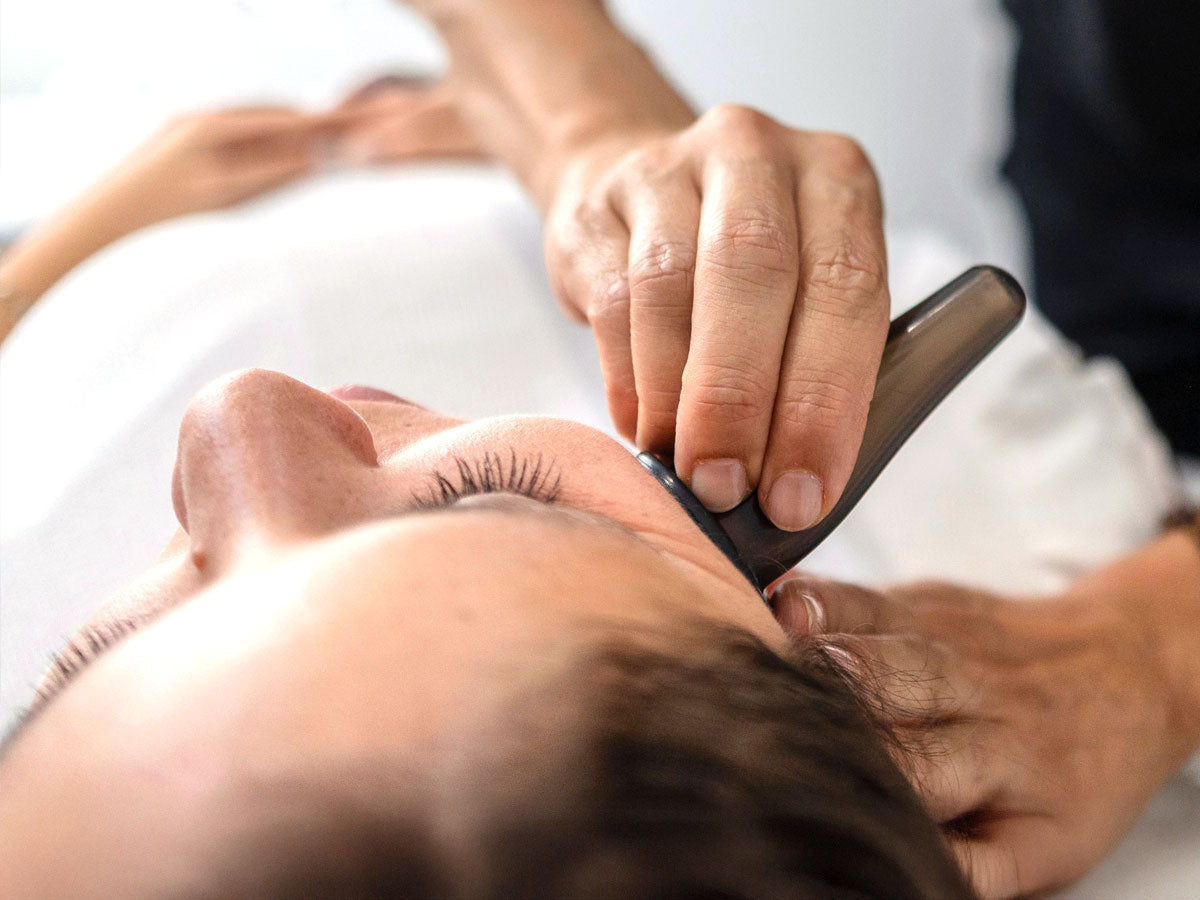
Facial lymphatic drainage works with this natural process. Using light, rhythmic movements across the face and neck, it follows the pathways of superficial lymphatic vessels to encourage fluid movement. Where puffiness is fluid-related, this may help reduce swelling and bring out more definition in the face.
The effects are generally temporary and depend on the underlying cause. Lymphatic drainage does not reduce facial fat or permanently change facial structure, and persistent or unexplained swelling should be assessed by a healthcare professional.
Six Ways to Support Your Lymphatic System Naturally
Professional treatments are one way to work with the lymphatic system, but everyday habits also support the processes involved in normal fluid circulation. Movement, breathing, hydration and recovery all contribute to the body's wider physiological balance.
1. Keep Your Body Moving
Muscle contractions help propel lymph through the lymphatic vessels, making regular movement important for normal lymph circulation.
Walking, swimming, cycling and gentle stretching all encourage muscle activity throughout the body. The calf muscles are particularly involved in helping move fluid from the lower limbs.
Breaking up long periods of sitting and incorporating regular movement into your day can help maintain these natural processes.
2. Pay Attention to Your Breathing
Breathing does more than deliver oxygen. The diaphragm also contributes to lymphatic circulation through the pressure changes created as it moves during inhalation and exhalation.
Slow, controlled abdominal breathing engages the diaphragm and can encourage a more relaxed breathing pattern.
Practices that combine breathwork with movement, such as Qigong, can help develop greater awareness of breathing and body movement. Their value lies in encouraging movement and mindful breathing, rather than any proven direct effect on lymphatic drainage.
3. Maintain Adequate Hydration
Water is essential for maintaining normal fluid balance and supporting the body's physiological processes.
Consistent hydration helps the body carry out its everyday functions, including those involved in circulation and fluid regulation. Drinking excessive amounts of water, however, does not accelerate lymphatic drainage. The focus should be on meeting your body's normal hydration needs.
4. Prioritise Sleep and Recovery
Sleep supports a wide range of processes involved in tissue repair, immune regulation and overall health.
The brain also has a specialised waste-clearance network known as the glymphatic system. This is distinct from the peripheral lymphatic system, but both demonstrate the importance of fluid movement and waste clearance in different parts of the body.
Consistent sleep and adequate recovery help support these wider processes.
5. Nourish Your Body
A varied, balanced diet provides nutrients needed for normal immune function and tissue health.
Vegetables, fruit, whole grains and sources of protein all contribute to the body's everyday maintenance and repair processes. For some people, a high intake of salt can also contribute to fluid retention, making a balanced approach to nutrition worthwhile.
There is no specific food or supplement that can flush or detoxify the lymphatic system. Consistent nutritional habits are more meaningful than looking for a quick fix.
6. Explore Gentle Movement Practices
Qigong and yoga combine controlled movement, breathing and body awareness.
Both can encourage regular muscle contractions and mindful breathing, which are involved in the body's natural lymph movement. They also offer an opportunity to slow down, reconnect with the body and build gentle movement into everyday routines.
Is Lymphatic Drainage Massage Suitable for Everyone?
Lymphatic drainage massage can be considered by those looking to address temporary facial puffiness or fluid retention, as well as certain types of swelling where treatment is clinically appropriate.
However, because lymphatic drainage influences fluid movement around the body, it isn't suitable in every circumstance. Acute infections, suspected blood clots and certain heart or kidney conditions may make treatment inappropriate without prior medical assessment.
Swelling is not always caused by fluid retention, so sudden, persistent or unexplained changes should always be checked by a healthcare professional. Similarly, following surgery, lymphatic drainage should only be undertaken with clearance from the surgical team.
For those living with lymphoedema or an underlying medical condition, treatment should be guided by an appropriately qualified healthcare professional.
Discover Lymphatic Treatments at 001 London
At 001 London, we take an integrative approach to skin and body health, recognising that visible concerns can be connected to wider physiological processes.
Our approach brings together practitioner expertise and considered treatment techniques, with individual needs and concerns guiding the choice of treatment.
Explore our facial and body treatments:
Bespoke microSculpt® Signature Facial
Discover a more considered approach to facial and body wellbeing, where treatment looks beyond the visible concern.


